Rokid vs Meta Smart Glasses: Which Should You Choose?

Table of Contents
When it comes to augmented reality (AR) and smart glasses, Rokid and Meta represent two of the most talked-about names in the industry. If you’re trying to decide between these two brands, the bottom line is this: Rokid glasses offer more versatility and better battery life, while Meta focuses on social interactions and showcases a premium design.
Quick Overview: Rokid vs Meta Smart Glasses
| Feature | Rokid Smart Glasses | Meta Smart Glasses |
|---|---|---|
| Price | Approximately $499 | Approximately $299 |
| Resolution | 1080p per eye | 1280p per eye |
| Field of View | 50 degrees | 100 degrees |
| Battery Life | 6-8 hours | 3-5 hours |
| Weight | 160 grams | 125 grams |
| Audio | Dual stereo speakers | Spatial audio |
| Compatibility | Android and iOS supports | Primarily optimized for Meta ecosystem |
| AR Capabilities | Interactive AR applications | Social and media applications |
| Design | Sleek, lightweight | Stylish, more substantial |
| Use Case | Suitable for professionals and creators | Great for communication and leisure |
What You Need to Know
Rokid Smart Glasses are designed for professionals needing robust AR functionalities. They come equipped with a high-resolution display that significantly enhances your visual experience. The Rokid glasses give between 6 to 8 hours of usage, making them ideal for extended sessions during meetings or creative work. However, this premium technology comes at a cost (around $499), which is on the higher side compared to many competitors.
On the other hand, Meta Smart Glasses are more about social connectivity and shared experiences. At approximately $299, they’re more affordable, but you’ll find the battery life is shorter — around 3 to 5 hours. They boast a wider field of view (100 degrees) and higher pixel resolution (1280p), making them appealing for users who prioritize visual immersion in social settings rather than productivity.
Who Should Buy Which?
Who is Rokid for:
- If you’re a Freelancer or Creative Professional who heavily relies on augmented reality for tasks like modeling, art, or virtual collaborations, the Rokid smart glasses will serve you better. The long battery life and compatibility with various devices make them a great tool for on-the-go creative work.
Who is Meta for:
- If you’re primarily using your smart glasses for social interactions, communication, and entertainment, prefer a lightweight design, and are already embedded in the Meta ecosystem (Facebook, Instagram), the Meta smart glasses will be sufficient. They’re perfect for casual users looking to capture memories or share moments easily.
Key Features to Consider
- Battery Life: If you often find yourself outdoors or at events, Rokid glasses are the better choice with their longer operating time.
- Display Quality: Rokid edges out slightly in versatility, while Meta’s aesthetic and connection features resonate more with a social audience.
- Audio and Integration: For immersive experiences, both brands offer distinct audio features; however, Meta’s spatial audio creates a more engaging environment for gamers and social users.
- Price Point: If budget is a major constraint, Meta offers a compelling product at a lower price. But remember, Rokid’s features justifies their higher cost.
Real-world Applications
Imagine being a real estate agent: the Rokid glasses could overlay property details directly into the houses you show, providing seamless presentations without distracting from the listings. Alternatively, with Meta glasses, you might stream a live video tour to prospective buyers, making the whole experience interactive and engaging.
If you’re someone who enjoys sharing and socializing through videos or with online friends, the Meta smart glasses are tailored for connecting and interaction. They allow for easy video capture, integration with social media, and lightweight usability during day-to-day activities.
Drawbacks to Consider
-
Rokid Drawbacks: While Rokid glasses are feature-rich, they can be bulky compared to Meta, which may not sit well with some users. Additionally, their higher price makes them a significant investment.
-
Meta Drawbacks: The shorter battery life can be a dealbreaker for users who plan on extensive usage. The glasses might lack some of the more advanced AR features that professionals would seek, limiting their application beyond casual use.
Bottom Line
If you’re looking for glasses that can enhance professional productivity with stellar AR capabilities, Rokid smart glasses are the superior choice despite their higher price. They cater effectively to creative professionals needing extended use and immersive experiences.
Conversely, if you’re seeking affordability and connection, prioritizing social experiences over work-related use, Meta glasses are the way to go; you won’t get the full AR experience, but they excel in communications and casual usage.
In a Nutshell
Ultimately, the choice comes down to what you’re prioritizing. For the best in productivity and rich features, opt for Rokid. If your focus is on communication and casual use, stick with Meta.
Who should skip this?
- Those looking solely for gaming or serious AR functionalities should avoid Meta glasses as they offer limited functionality. Similarly, if professional-grade tools are what you need, pass on Meta to save time and money.
In your quest for the perfect smart glasses, let your intended use guide you to the right choice.
Recommended Products

Meta Ray-Ban (Gen 2), Wayfarer, Matte Black | Smart AI Glasses for Men, Women — 2x Battery Life — 3K Ultra HD — 12 MP Ultra-Wide Camera, Audio, Video Recording — Clear Lenses — Wearable Technology
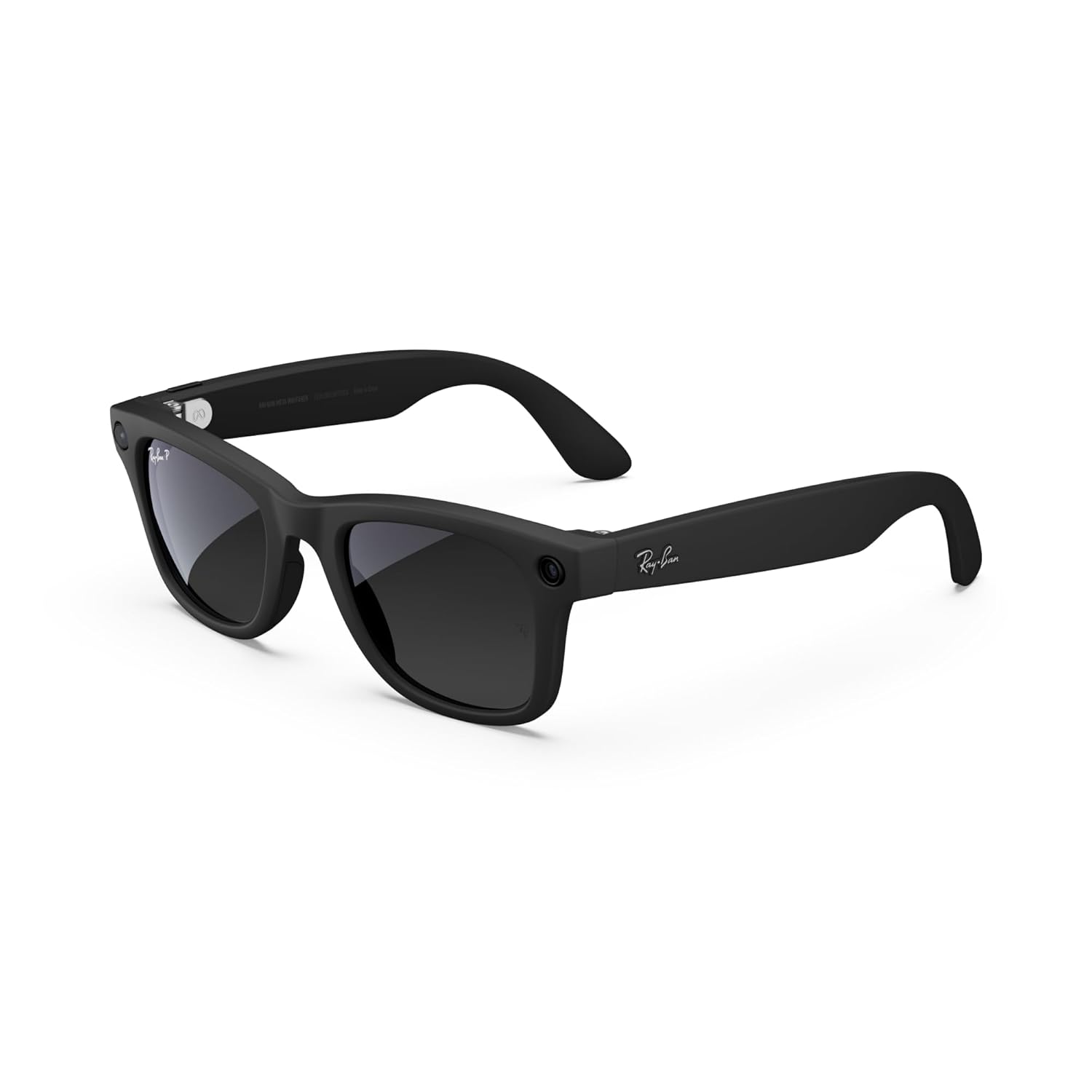
Ray-Ban Meta (Gen 1), Wayfarer, Matte Black | Smart AI Glasses for Men, Women — 12 MP Ultra-Wide Camera, Open-Ear Audio, Video Recording, Bluetooth — Polarized Gradient Graphite Lenses — Sunglasses
